Examining Intersections of Progressive Jackpot Designs and Built-In Safeguards Across App-Based Platforms Operating Under National Licensing Rules
Mia Long · Oct 26, 2026
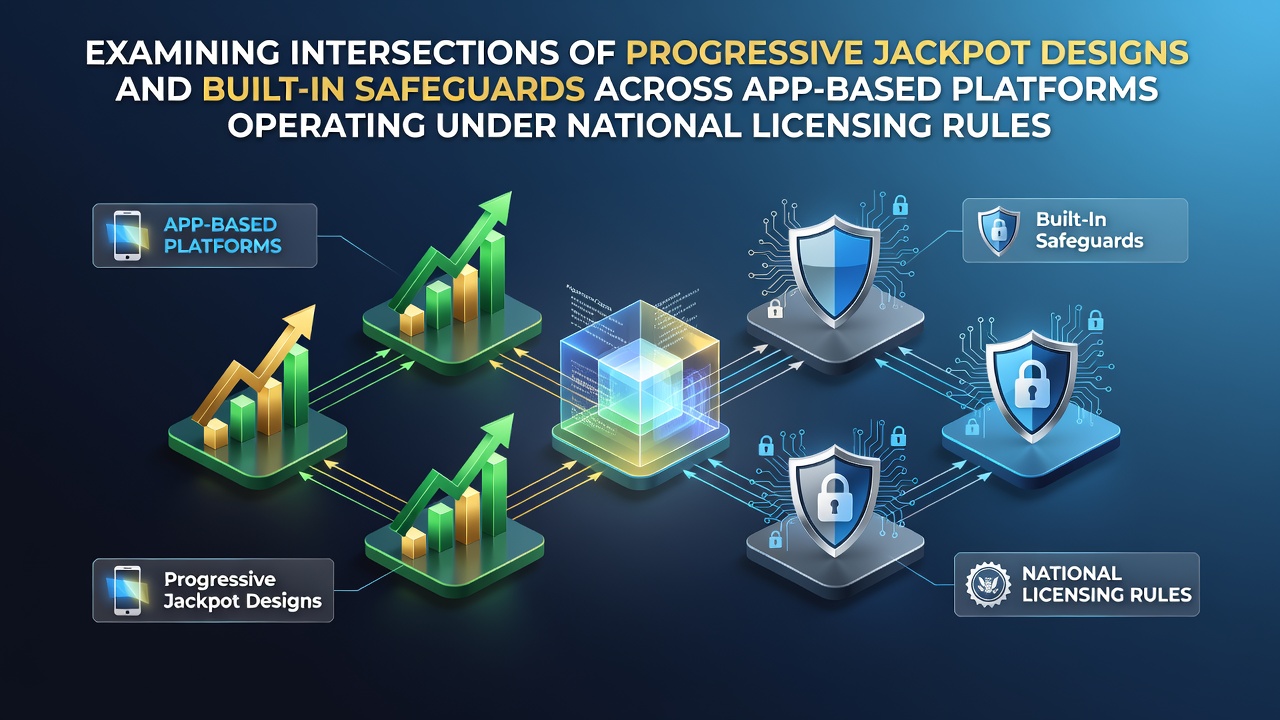
Examining Intersections of Progressive Jackpot Designs and Built-In Safeguards Across App-Based Platforms Operating Under National Licensing Rules
Progressive jackpot systems have grown more intricate as app-based platforms expand under varied national licensing frameworks, and the integration of built-in safeguards has become a central element in how these designs function. National regulators across multiple jurisdictions require operators to embed mechanisms that monitor contribution rates, cap prize pools, and trigger automatic pauses when certain thresholds are reached. These rules intersect directly with jackpot mechanics because each increment in the pool must align with compliance protocols that prevent excessive accumulation without corresponding player activity checks. Data from regulatory filings indicate that platforms licensed in North America and parts of Europe maintain separate tracking layers for progressive contributions, ensuring that a percentage of each wager feeds the jackpot while real-time algorithms flag irregular patterns. In October 2026 several jurisdictions are scheduled to roll out updated reporting standards that demand granular logs of jackpot seed values and reset procedures, which directly affects how developers structure the underlying code for mobile applications. Observers note that these changes build on existing requirements where operators must demonstrate that jackpot growth does not outpace verifiable player engagement metrics.Design Elements of Progressive Jackpots in Licensed Environments
Engineers configure progressive jackpots to pool contributions from multiple games or sites under a single license, yet national rules often mandate geographic segmentation so that only players within the licensed territory can qualify. This segmentation requires app platforms to incorporate geofencing technology that cross-checks device location against licensing boundaries before allowing jackpot participation. According to reports issued by the Nevada Gaming Control Board, such controls have reduced instances of unauthorized cross-border claims by measurable percentages in recent audits.
Built-in safeguards extend to contribution caps that automatically divert excess funds once a predetermined pool size is attained, and these caps are calibrated to match the operator's licensed risk profile. Researchers at academic institutions studying gambling systems have documented how these caps interact with volatility settings, creating predictable reset points that platforms must disclose in their technical submissions. The process ensures that jackpot designs remain sustainable while complying with capital reserve obligations imposed by licensing authorities.
Safeguard Integration Across Mobile Platforms
App-based environments introduce additional layers because session timeouts and spending limit tools must interface directly with jackpot tracking modules. When a player approaches a regulatory spending threshold, the system suspends further contributions to the progressive pool and issues an on-screen notification, all without disrupting the overall game state. This seamless interaction relies on application programming interfaces that regulators review during licensing renewals.
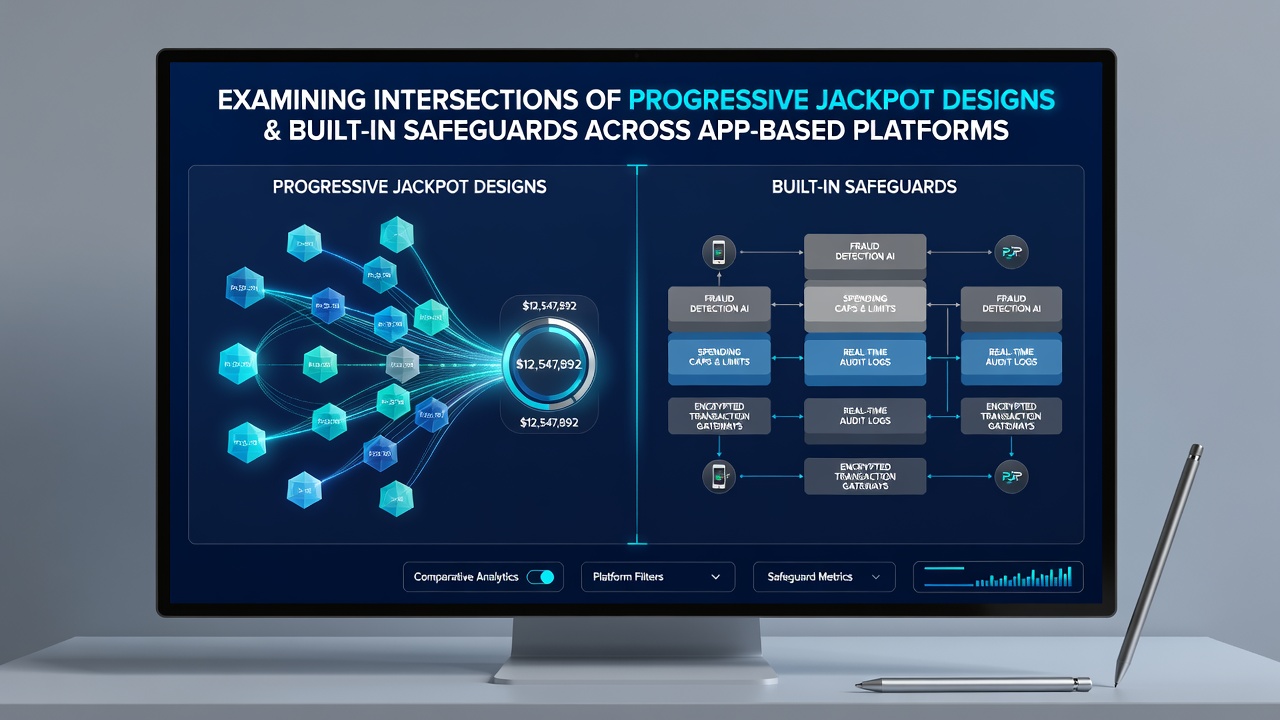
Canadian provincial regulators, including those operating under the Alcohol and Gaming Commission of Ontario, have published technical standards requiring that jackpot-related alerts appear within two seconds of any safeguard activation. These standards also cover encryption protocols for transmitting pool data between the app and central servers, ensuring that tampering attempts trigger immediate license reviews. Industry associations such as the Canadian Gaming Association have compiled case studies showing how early detection of these anomalies has preserved pool integrity across multiple operators.
Regulatory Variations and Their Impact on Implementation
National licensing rules differ substantially in how they address seed funding for new progressive jackpots, with some requiring minimum guarantees backed by insurance instruments while others permit operator-funded seeds subject to audit trails. Platforms operating under Australian state licenses must submit detailed models demonstrating that safeguard algorithms account for both high-volume and low-volume betting periods, preventing artificial inflation during promotional events. Figures released by state gaming authorities reveal consistent application of these models has stabilized average jackpot reset frequencies over successive quarters.
Developers respond by embedding modular code that allows rapid reconfiguration when licensing terms change, and this flexibility has proven essential as regulators introduce new player protection metrics. One study from an Australian research institute highlighted how platforms adjusted contribution percentages within weeks of updated guidelines, maintaining compliance without halting jackpot growth cycles. The intersection becomes particularly evident when operators manage multi-jurisdictional apps, since each license imposes distinct reporting cadences that the central system must reconcile.
Conclusion
Progressive jackpot designs and built-in safeguards continue to evolve in tandem under national licensing regimes, with app platforms serving as the primary delivery mechanism. Regulatory updates planned for October 2026 will likely refine data-sharing requirements between operators and oversight bodies, further tightening the connection between pool mechanics and protection features. Platforms that successfully align these elements demonstrate measurable adherence to licensing conditions across reviewed jurisdictions.